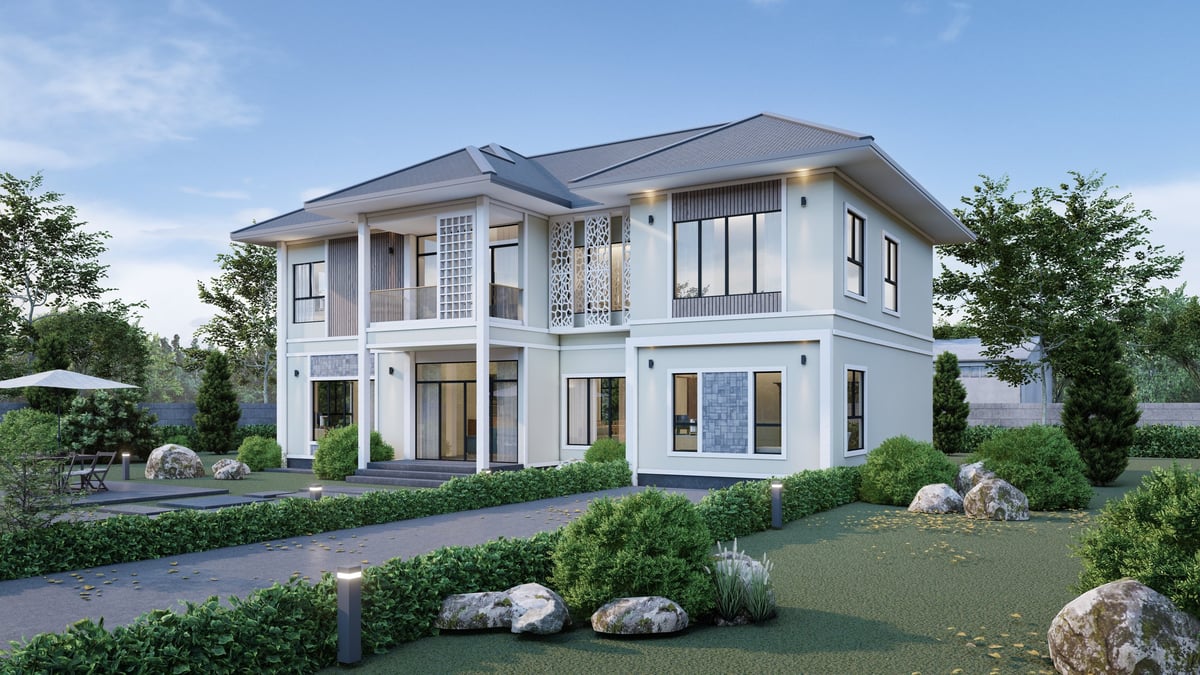
Review Tennessee DSCR loan requirements, rental property financing options, cash-out refinance, and what lenders review for Nashville, Memphis, Chattanooga, and TN investment properties.
TN investors purchasing or refinancing 1-4 unit rentals in Nashville, Memphis, Chattanooga, Knoxville
Minimum 660 FICO, 20-25% down, DSCR ≥1.00-1.15x, 6 months reserves
Tennessee has become one of the hottest rental property investment destinations in the country. Nashville's explosive growth — driven by healthcare, tech, and entertainment industry expansion — has created sustained rental demand across Middle Tennessee. Memphis offers some of the strongest rent-to-price ratios in the nation, while Chattanooga and Knoxville provide growing secondary markets with affordable entry points. Add to this Tennessee's lack of a state income tax, low property taxes, and landlord-friendly legal environment, and you have one of the most attractive states for DSCR lending.
DSCR loans in Tennessee use the standard methodology: rental income divided by PITIA. Tennessee-specific advantages include very low property tax rates, reasonable insurance costs (outside flood zones near the Mississippi River), and diverse rental demand drivers across the state's four major metros.
Acquire SFR, condo, townhome, or 2-4 unit rentals throughout TN. DSCR review replaces personal income documentation.
Rate-and-term refinance for existing TN rental properties. Underwritten on property cash flow, not tax returns.
Access equity from appreciated Nashville and Chattanooga rental holdings. LTV typically capped at 70-75%.
For TN investors with 5+ properties. Combined portfolio DSCR review across all rental holdings.
Tennessee property taxes average roughly 0.6-0.8% — among the lowest nationally. This is a major DSCR advantage. A $350K Nashville property might carry just $2,100-2,800/year in taxes, keeping PITIA low and DSCR strong compared to high-tax states.
Memphis properties near the Mississippi River and Nashville properties near the Cumberland may be in FEMA flood zones requiring flood insurance. This adds $100-300/month to PITIA. Check flood zone status before running DSCR projections.
Nashville rents have grown meaningfully over the past decade though moderating from peak 2022 levels. Lenders use the appraisal rent schedule with the lower of actual lease or market rent applying.
TN LLC-held rental properties are common and accommodated. The LLC must be in good standing with the TN Secretary of State. Most DSCR programs require a personal guarantee.
Most common DSCR property type. Strong rental demand in Nashville metro (Davidson, Williamson, Rutherford counties), Memphis (Shelby County), Chattanooga, and Knoxville.
Duplexes and triplexes near Vanderbilt, UT-Knoxville, and in older Nashville neighborhoods. Combined unit rent drives DSCR. Nashville's STR regulations may limit short-term rental conversion on multi-unit properties.
Growing condo inventory in Nashville's Gulch, Midtown, and downtown. Lenders review HOA financials and project eligibility. HOA dues included in PITIA.
Nashville and Gatlinburg/Pigeon Forge have major STR markets. STR DSCR programs available with 12-month income averaging and 25%+ vacancy factors. Nashville requires specific STR permits — verify before purchasing.
Single-Family Rental Purchase — Murfreesboro, TN (Rutherford County)
Tennessee's low property tax rate is the DSCR advantage. At 0.7%, the monthly tax bill is just $210 — roughly 10% of PITIA. Murfreesboro (35 miles from Nashville) offers better rent-to-price ratios than Davidson County proper, making it attractive for DSCR investors targeting 1.20x+ ratios. The same property in a 2% tax state would see DSCR compress to about 1.04x.
Nashville investors who bought before 2021 have seen some of the strongest appreciation in the Southeast — parts of Davidson and Williamson counties up 50-70%. Memphis investors benefit from strong rent-to-price ratios built on affordable entry prices. DSCR cash-out refinance lets investors access this equity without documenting personal income. TN's low tax rates make post-cash-out DSCR more resilient than in high-tax states. LTV is typically capped at 70-75% for cash-out.
Tennessee has a solid inventory of 2-4 unit properties across Nashville's older neighborhoods (East Nashville, North Nashville), near the University of Tennessee-Knoxville, and in Memphis's Midtown. DSCR is calculated using combined rent from all units with a 5-10% vacancy factor. TN's low property tax rates make multi-unit DSCR calculations particularly favorable. Investors should verify Nashville's STR regulations, which restrict non-owner-occupied short-term rentals in certain zones.
Nashville STR permit restrictions: Nashville's STR regulations are strict — non-owner-occupied STR permits are limited and location-dependent. Investors buying for short-term rental DSCR must verify permit availability before purchase.
Memphis flood zones: Properties near the Mississippi River or its tributaries may require flood insurance, adding $150-300/month to PITIA and compressing DSCR.
Appraisal comps in rapidly changing neighborhoods: In gentrifying Nashville neighborhoods, available comparable sales may lag current market values, creating appraisal gap risk that compresses LTV.
State Licensing & Availability Disclosure
Loan availability, licensing, program options, and terms vary by state and are subject to NEXA/lender review, borrower qualifications, documentation, investor guidelines, and applicable law. This page is informational only and does not guarantee that a specific loan program is available in this state.
Company NMLS: 1660690
Loan Officer NMLS: 227603
AZ Banker License: BK-2006218
Contact: mdean@nexamortgage.com
Phone: 512-415-6142
Run your numbers and submit a Tennessee rental property scenario for review.
Disclaimer: Educational only. Not a commitment to lend. TN loan availability varies.
Last Updated: June 21, 2026