
Buy single-family rentals, small multifamily, and investment properties using DSCR financing — where rental income review replaces personal income verification. Review your purchase scenario with Matt Dean at NEXA Lending.
No credit pull to review · Matt Dean · NEXA Lending · NMLS 227603 · Purchase · Refinance · Cash-Out · LLC · STR
Loan options, eligibility, pricing, terms, and availability depend on borrower profile, property type, documentation, investor experience, program guidelines, and applicable licensing. This is not a commitment to lend.
Purchase Price
$320,000
Monthly Rent
$2,950
Est. Loan Amount
$240,000
Est. Payment
$1,675/mo
DSCR Estimate
Cash Needed
$89,600
Down + closing costs
Next Step
Submit for Review
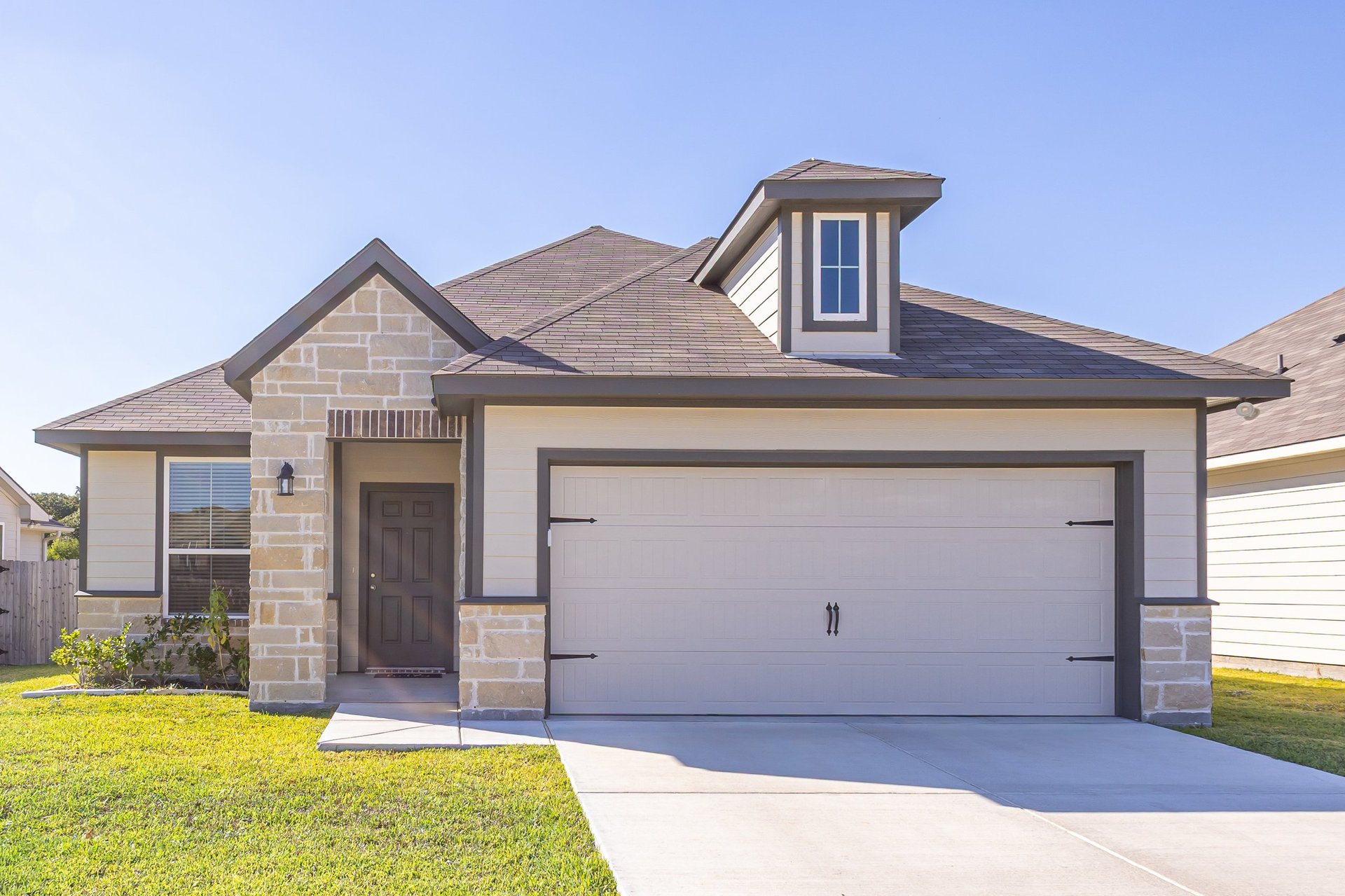
A DSCR purchase loan lets investors buy a rental property where the lender reviews the property's projected rental income and cash flow instead of personal tax returns or W-2 income. The lender compares monthly rent to the total monthly housing payment (PITIA) to calculate the debt-service coverage ratio. If rent exceeds the payment, the deal may qualify. DSCR purchase loans work for single-family rentals, condos, 2–4 unit properties, and select small multifamily buildings.
Self-employed investors
No tax-return qualification required. Rent drives the review, not your W-2.
LLC & entity buyers
Close in an LLC, corporation, or trust with DSCR programs that support entity vesting.
First-time investors
DSCR programs are available for first-time rental buyers with strong rent coverage.
Portfolio builders
Scale across multiple properties with rent-based review on each purchase.
Estimate rent & payment
Start with projected monthly rent and estimated PITIA. Use the DSCR calculator to run the numbers.
Submit a pre-check
Share the property address, purchase price, down payment, rent estimate, and loan goal. No credit pull required.
DSCR review & scenario fit
Matt reviews DSCR, rent support, property type, and program fit. Clear feedback before you commit to an offer.
Close & build your portfolio
Once the scenario checks out, proceed to full approval, appraisal, and closing.
A realistic single-family rental purchase to show how the DSCR math works. Figures are educational estimates, not a commitment to lend.
Example: Single-Family Rental Purchase
Typical suburban marketPurchase Price
$320,000
Down Payment (25%)
$80,000
Loan Amount
$240,000
Monthly Rent
$2,950
Est. P&I @ 7.5%
$1,678
Taxes + Insurance
$525
Total PITIA
$2,203
DSCR
1.34x
Monthly Cash Flow
+$747
Cash Needed
~$89,600
Down + est. closing costs
Why this scenario works
At a DSCR of 1.34x, rent comfortably exceeds the full housing payment. Most DSCR programs target 1.0x–1.25x minimums — this deal would likely be a strong review candidate. Actual requirements depend on credit, property type, reserves, and program guidelines.
Sensitivity check
If the appraisal rent schedule comes in at $2,750 instead of $2,950, DSCR drops to roughly 1.25x. If taxes reassess higher after the sale, the ratio tightens further. Run multiple scenarios before going under contract.
Not a commitment to lend. Loan options, eligibility, pricing, terms, and availability depend on borrower profile, property type, documentation, investor experience, program guidelines, and applicable licensing.
Lenders typically review: purchase contract, rent schedule or market rent analysis, entity documents (if LLC/corp), proof of down payment funds, and credit profile. Personal tax returns are generally not required — the rental income drives the underwriting.
DSCR ratio sensitivity
Even small changes in rent, taxes, or insurance can shift DSCR above or below program minimums. Run multiple scenarios before committing.
Property type matters
Single-family, condo, 2–4 unit, and select small multifamily all qualify — but program availability and DSCR minimums vary by type.
LLC & entity purchase
Closing in an LLC is supported by many DSCR programs. Expect a personal guarantee requirement in most cases. Learn about LLC DSCR loans.
Reserve requirements
Lenders may require 3–12 months of reserves per property. More properties typically mean higher reserve expectations.
Here's what I look at when an investor sends a purchase scenario — these are the real review points, not generic talking points.
Rent schedule vs. market rent. If the appraisal rent schedule comes in below what you projected, the DSCR changes. I always tell investors to check local rent comps before going under contract — don't rely on listing projections alone.
Taxes and insurance pressure. Property taxes can shift significantly after a sale — especially in states that reassess on transfer. I've seen scenarios go from 1.25x to 0.95x just on the tax estimate alone. Always use the post-sale tax rate, not the current assessment.
HOA can break the ratio. A $400/month condo association fee adds nearly $5,000/year to PITIA. In DSCR math, that's material. Condos and townhomes need extra scrutiny on the association line.
Down payment affects DSCR and pricing. More down payment means a smaller loan, less interest, and a higher DSCR. It also improves pricing tiers with many programs. If your DSCR is tight, increasing down payment by 5% can shift the whole scenario.
Credit profile matters at the margin. DSCR programs don't require tax returns, but credit still affects which programs and pricing are available. A 680 FICO and a 740 FICO may face different rate tiers — and that changes the DSCR math.
— Matt Dean, Sr. Loan Officer, NEXA Lending · NMLS #227603
Review My Purchase ScenarioThese are the issues I see most often when investors submit a DSCR purchase scenario — and how to avoid them before you go under contract.
Relying on listing rent projections
The appraiser's rent schedule — not the listing — drives the DSCR. If you underwrite to an optimistic listing rent, the deal can fall apart at appraisal. Check local rent comps before making an offer.
Using the current tax bill, not the post-sale rate
Many states reassess property taxes on transfer. Underwriting to the seller's current tax bill can understate PITIA and overstate DSCR. Always model the post-sale tax estimate.
Ignoring HOA and condo fees
A $400/month association fee adds nearly $5,000/year to PITIA. In DSCR math that's material. Condos and townhomes need extra scrutiny on the association line.
Underestimating reserves
Lenders may require 3–12 months of reserves per property. If you're buying your first or second rental, make sure you have the liquidity documented before you submit.
Not checking the DSCR program's property-type limits
Not every program accepts every property type. Condos, 2–4 units, and small multifamily each have different program availability and DSCR minimums. Confirm fit before you commit.
Skipping the pre-check before making an offer
A quick scenario review costs nothing and can save you from tying up earnest money on a deal that won't underwrite. Run the numbers first.
Explore how DSCR financing can support the next stage of your investment strategy.
DSCR Refinance Loans
Refinance an existing rental using rent-based review — rate-and-term or cash-out.
Explore refinanceCash-Out Refinance
Pull equity from a rental to fund your next purchase or reinvest in the property.
Explore cash-outLLC Rental Property Loans
Buy and hold investment property in an LLC, corporation, or trust with DSCR financing.
Explore LLC loansFirst-Time Investor Loans
What new investors need to prepare for their first DSCR-financed rental purchase.
Explore first-timeMany DSCR purchase programs start at a 620–640 FICO minimum, but stronger pricing and more program options typically open up at 680+. A 700+ FICO often receives better rate tiers and may qualify for higher LTV options. Requirements vary by lender and program.
DSCR purchase loans typically require 20–25% down for single-family rentals. Condos and 2–4 unit properties may require 25–30%. Higher down payments can improve DSCR ratios and may unlock better pricing. Specific requirements depend on property type, credit profile, and program guidelines.
Yes — many DSCR programs allow closing in an LLC, corporation, or trust. A personal guarantee is typically required. Entity documentation and operating agreements are part of the review. See our LLC rental property loans page for more detail.
Yes — most DSCR purchase programs require a full appraisal that includes a rent schedule. The appraiser estimates market rent, which the lender uses in the DSCR calculation. If the rent schedule comes in lower than expected, the DSCR calculation changes accordingly.
Yes — many DSCR programs are open to first-time rental property investors. The review focuses on the property's rental income and cash flow, not prior landlord experience. Learn more about first-time investor DSCR loans.
Share the property, purchase price, down payment, rent estimate, and loan goal. Matt reviews DSCR, rent support, and program fit — no credit pull to start.
Loan options, eligibility, pricing, terms, and availability depend on borrower profile, property type, documentation, investor experience, program guidelines, and applicable licensing. This is not a commitment to lend. NEXA Mortgage · NMLS #1660690 · Matt Dean NMLS #227603 · Equal Housing Opportunity.