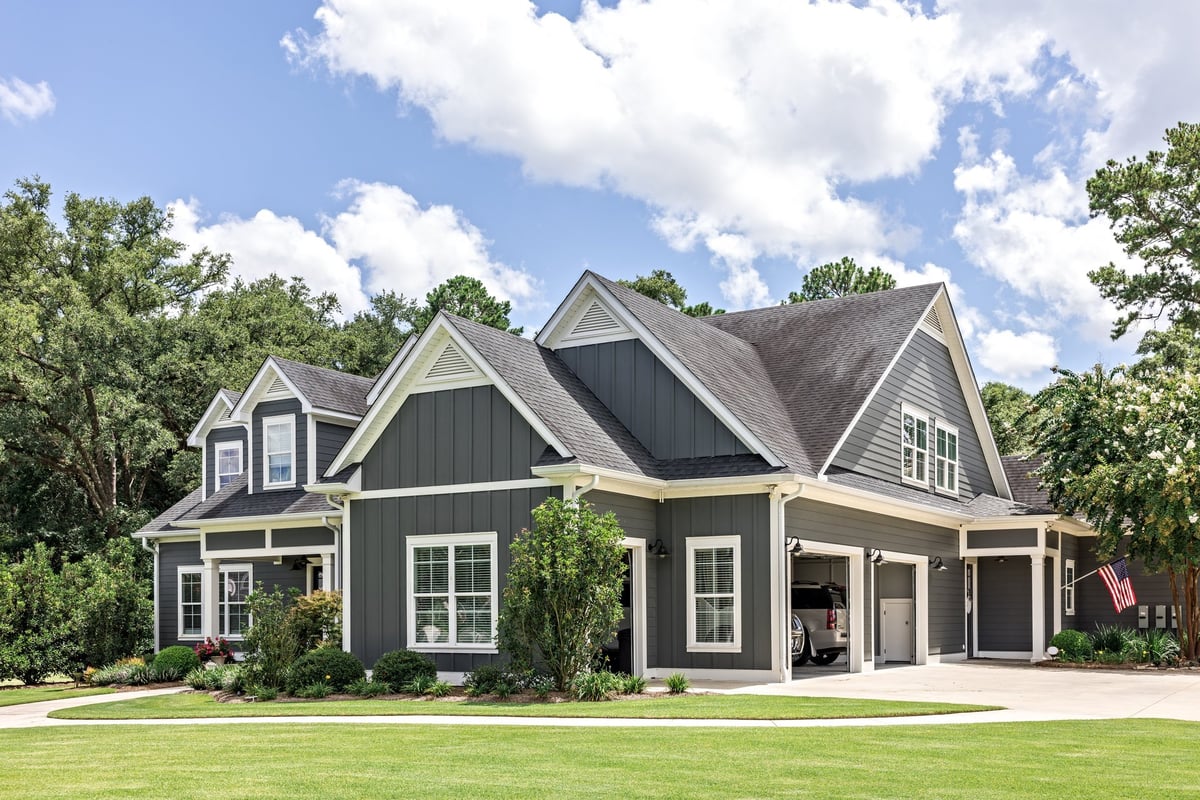
Review North Carolina DSCR loan requirements, rental property financing options, cash-out refinance, and what lenders review for Charlotte, Raleigh, Durham, and NC investment properties.
NC investors purchasing or refinancing 1-4 unit rentals in Charlotte, Raleigh-Durham, Greensboro, Wilmington
Minimum 660 FICO, 20-25% down, DSCR ≥1.00-1.15x, 6 months reserves
North Carolina has emerged as one of the most balanced rental property investment markets in the Southeast. The Research Triangle (Raleigh-Durham-Chapel Hill) drives tech and pharma employment growth, Charlotte remains a banking and financial hub, and secondary markets like Greensboro, Winston-Salem, and Wilmington offer attractive rent-to-price ratios. North Carolina's moderate property tax rates, reasonable insurance costs, and growing population make it a strong state for DSCR lending across multiple investor strategies.
DSCR loans in North Carolina use the same core review: the property's rental income divided by total monthly housing expense (PITIA). North Carolina-specific factors include county-level property tax variation, coastal insurance requirements for Wilmington and Outer Banks properties, and strong rent growth in the Triangle and Charlotte metros that supports favorable DSCR calculations.
Acquire SFR, condo, townhome, or 2-4 unit properties throughout NC. DSCR review replaces personal income documentation.
Rate-and-term refinance for existing NC rental properties. Reviewed on property cash flow, not tax returns.
Access equity from appreciated Triangle and Charlotte metro rental holdings. LTV typically capped at 70-75%.
For NC investors with 5+ properties. Combined portfolio DSCR review across all rental holdings.
NC property taxes average roughly 0.7-1.0% — close to the national average. Wake County (Raleigh) and Mecklenburg County (Charlotte) run slightly higher at 0.9-1.1%. Lenders use post-purchase assessed value in PITIA.
Wilmington, Outer Banks, and coastal NC properties may require flood and wind/hail coverage beyond standard hazard insurance. These can add $150-400/month to PITIA, directly compressing DSCR.
Raleigh-Durham and Charlotte have seen sustained rent growth driven by job migration. Lenders use the appraisal rent schedule; the lower of actual lease rent or market rent typically applies.
NC LLC-held rental properties are common and accommodated by DSCR lenders. The LLC must be in good standing with the NC Secretary of State. Most programs require a personal guarantee.
Most common DSCR property type in NC. Strong rental demand in Charlotte metro (Mecklenburg, Cabarrus, Union counties), Raleigh-Durham (Wake, Durham, Orange), and Greensboro/Winston-Salem.
Duplexes and triplexes near NC State, UNC-Chapel Hill, and Duke University. Combined unit rent drives DSCR. Historic multi-unit inventory exists in older Charlotte and Durham neighborhoods.
Condo inventory concentrated in Uptown Charlotte, downtown Raleigh, and Durham. Lenders review HOA financials and project eligibility. HOA dues included in PITIA.
NC has significant new-build-to-rent activity in suburban Charlotte and Triangle communities. DSCR lenders review these similarly to existing homes. Warrantable condo rules apply for attached product.
Single-Family Rental Purchase — Durham, NC (Durham County)
Durham's moderate tax rate and strong rent profile — driven by Duke University, healthcare employers, and tech migration — support a workable DSCR. The same property in Cary (Wake County, 0.95% tax rate) would slightly improve DSCR to 1.19x due to lower taxes.
North Carolina investors who purchased in the 2019-2022 period in the Triangle and Charlotte metros have seen strong appreciation — some markets up 40-60%. DSCR cash-out refinance lets investors access this equity without documenting personal income. NC's moderate tax rates mean the post-cash-out PITIA increase is manageable compared to high-tax states. LTV is typically capped at 70-75% for cash-out, and the post-cash-out DSCR must still meet program minimums.
North Carolina has a solid inventory of 2-4 unit properties, particularly in college towns — Chapel Hill, Durham, Raleigh (NC State), Greensboro (UNCG, NC A&T), and Greenville (ECU). DSCR is calculated using combined rent from all units. Lenders apply a 5-10% vacancy factor. NC's property tax structure taxes multi-unit properties at the same rate as single-family, so the tax burden scales proportionally rather than disproportionately.
Coastal flood insurance costs: Wilmington, New Bern, and Outer Banks properties in FEMA flood zones require flood insurance, adding $150-350/month to PITIA — a direct DSCR drag.
Rent comp lag in secondary markets: In smaller NC markets like Lumberton or Rocky Mount, the appraisal rent schedule may use dated comps that don't reflect actual achievable rent.
Due diligence fee risk: NC uses a due diligence fee system (non-refundable) in purchase contracts. If the appraisal comes in low and the deal falls apart, investors can lose thousands in non-refundable due diligence fees.
State Availability & Licensing
Loan availability, licensing, program options, and terms vary by state and are subject to NEXA/lender review, borrower qualifications, documentation, investor guidelines, and applicable law.
Company NMLS: 1660690 |
Loan Officer NMLS: 227603
|
AZ Banker License: BK-2006218
Contact:
mdean@nexamortgage.com
| Phone: 770-756-7191
Run your numbers and submit an NC rental property scenario for review.
Disclaimer: Educational only. Not a commitment to lend. NC loan availability varies.
Last Updated: June 21, 2026
North Carolina's growth markets offer strong DSCR potential. Submit your NC scenario and get direct feedback on DSCR, tax impact, and program fit.
Sr. Loan Officer · NEXA Lending
NMLS #227603 · Company NMLS #1660690
770-756-7191 · mdean@nexamortgage.com
Rental-Property Focus
Purchase, refinance, cash-out, DSCR, 2–4 unit, portfolio, and coastal/inland NC scenarios.
Numbers-First Review
No credit pull to start. Clear feedback on DSCR, NC property tax variation, and program fit.
Licensed Professional
NMLS-licensed loan officer reviewing NC scenarios across multiple investor loan programs.
Direct NC Coverage
Origination in NC, AZ, CO, FL, GA, MI, OH, SC, TN, TX + additional states.