Should Parents Buy or Rent a Home for Their College Student?
Buying near campus can make sense when your student expects to remain at
the school long enough, your family can comfortably handle the full
ownership cost, the numbers still work with conservative roommate
assumptions, and there is a sensible plan after graduation. Renting may be
better when flexibility matters more or the purchase only works under
optimistic assumptions.
Parents often compare the monthly rent to a mortgage payment and stop
there. That misses taxes, insurance, HOA dues, maintenance, utilities and
the cost of owning between tenants. A rental payment is the most you pay
each month; a mortgage payment is the least you pay for homeownership.
True monthly ownership costs
Add principal, interest, property taxes, insurance, HOA or association
dues, and a realistic maintenance reserve. A modest maintenance budget
matters, especially in older student rentals. Only after totaling these
can you fairly compare ownership to rent.
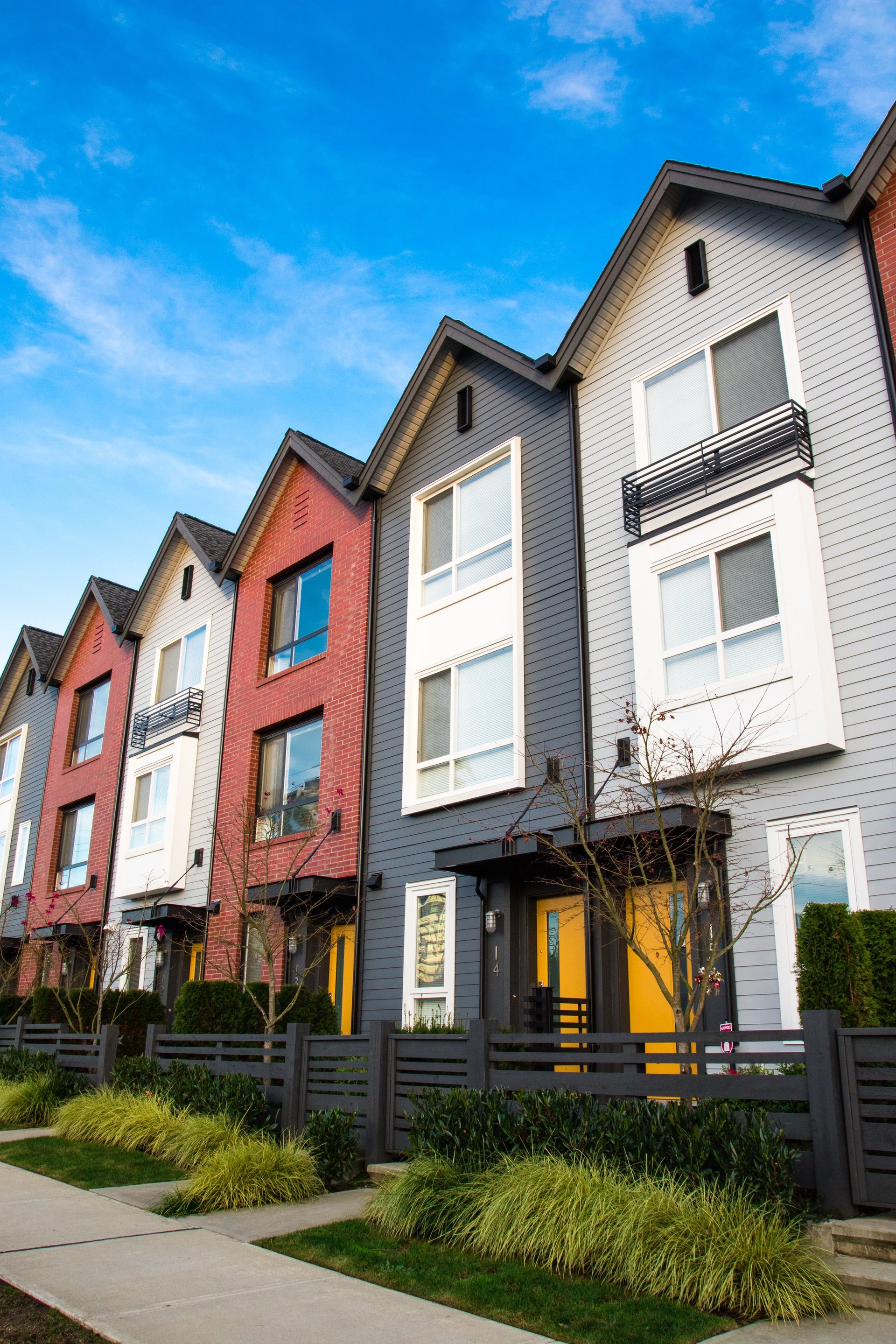
A maintained campus-area townhome can reduce some of the volatility of
student rentals.
Holding period
Buying usually works better over a longer horizon. Transaction costs to
buy and later sell have to be amortized across the time you own. A
four-year degree may or may not provide enough runway, which is why the
after-graduation plan is so important.
Roommate contribution
Roommate rent can dramatically offset the real monthly cost, but model it
conservatively. Assume a vacancy now and then, and do not count projected
roommate income as guaranteed. If the deal only works with every room
filled every month, it is fragile.
Vacancy assumptions
Summers, study-abroad semesters and graduation all create turnover. A
property that sits empty for a summer eats into returns. Build realistic
vacancy into the math rather than assuming continuous occupancy.
Roommate rent can offset ownership costs — but model it conservatively.
Building equity
Every principal payment builds a little equity, and appreciation may help
over time — but both are uncertain in the short run. Equity is a real
benefit of ownership, yet it should not be treated as a certainty.
Market risk
College towns can be resilient, but values still move. Consider what
happens if you need to sell in a down market. Buying near campus reduces
some demand risk, but it does not eliminate price risk.
What happens after graduation?
This is the make-or-break question. Will you sell, keep it as a rental,
pass it to a sibling, or refinance? If there is no sensible answer,
renting may preserve more flexibility. If the property readily converts to
a rental, buying becomes more attractive.
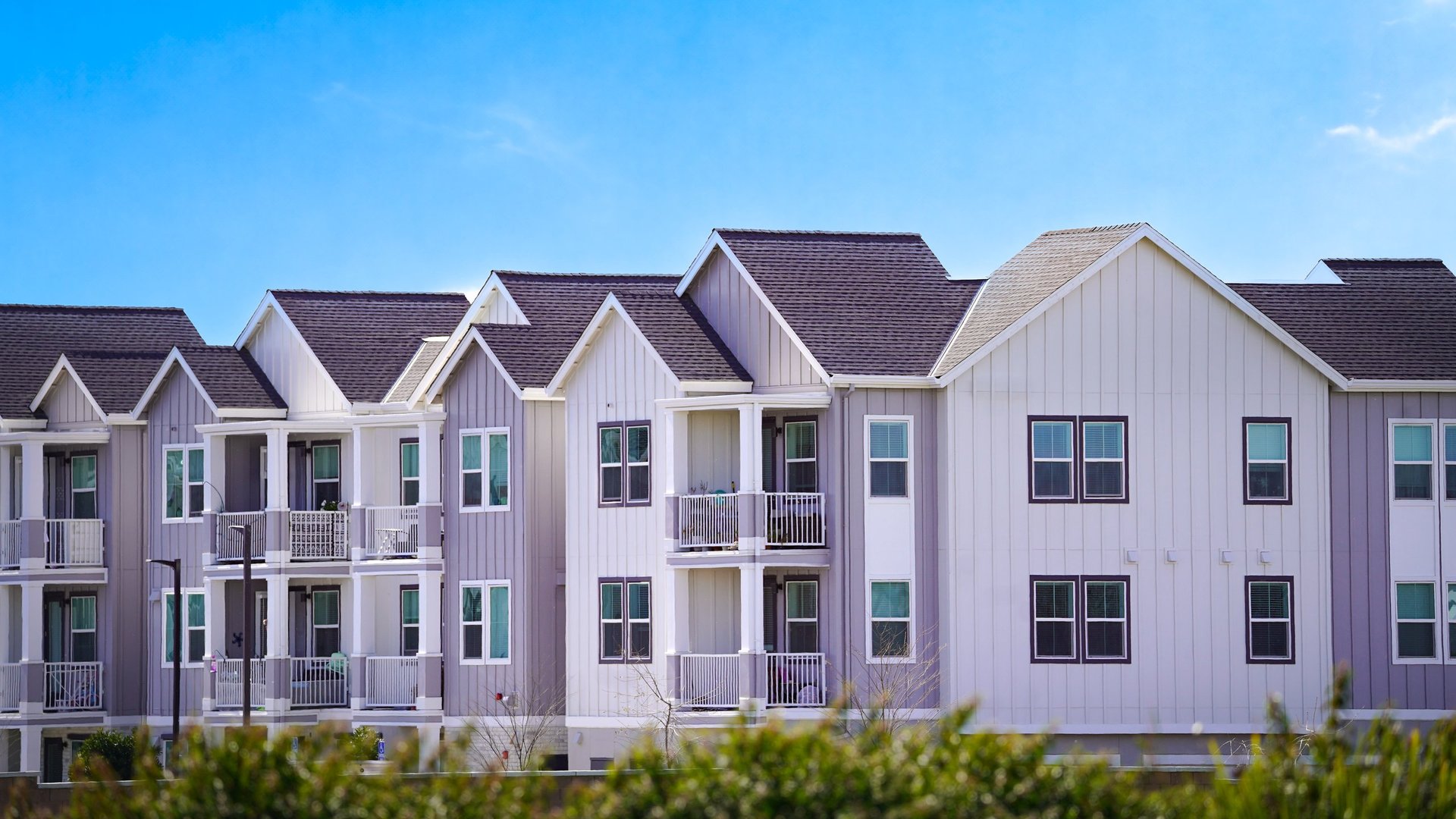
A property that converts cleanly to a rental strengthens the buy case
after graduation.
How financing changes the calculation
The financing structure affects the numbers. An owner-occupied student
purchase with parent help can have a very different cash requirement and
monthly cost from a parent-owned investment property or a DSCR loan. The
structure should follow the occupancy and ownership plan, not the other
way around.
When buying deserves a closer look
Your student expects to stay several years at one school.
The total ownership cost works even with conservative assumptions.
Roommate rent is a bonus, not a requirement for the numbers to work.
You have a sensible post-graduation plan (rental, sibling, or sale).
You can comfortably handle the cash and ongoing obligations.
When renting may be preferable
Flexibility is a higher priority than building equity.
The purchase only works under optimistic vacancies or appreciation.
The holding period is short or highly uncertain.
The full ownership cost would strain the family budget.
There is no clear plan for after graduation.
Financing may be available when the decision makes sense, but the
decision comes first. Start with the school and market data, then map
the financing structure.