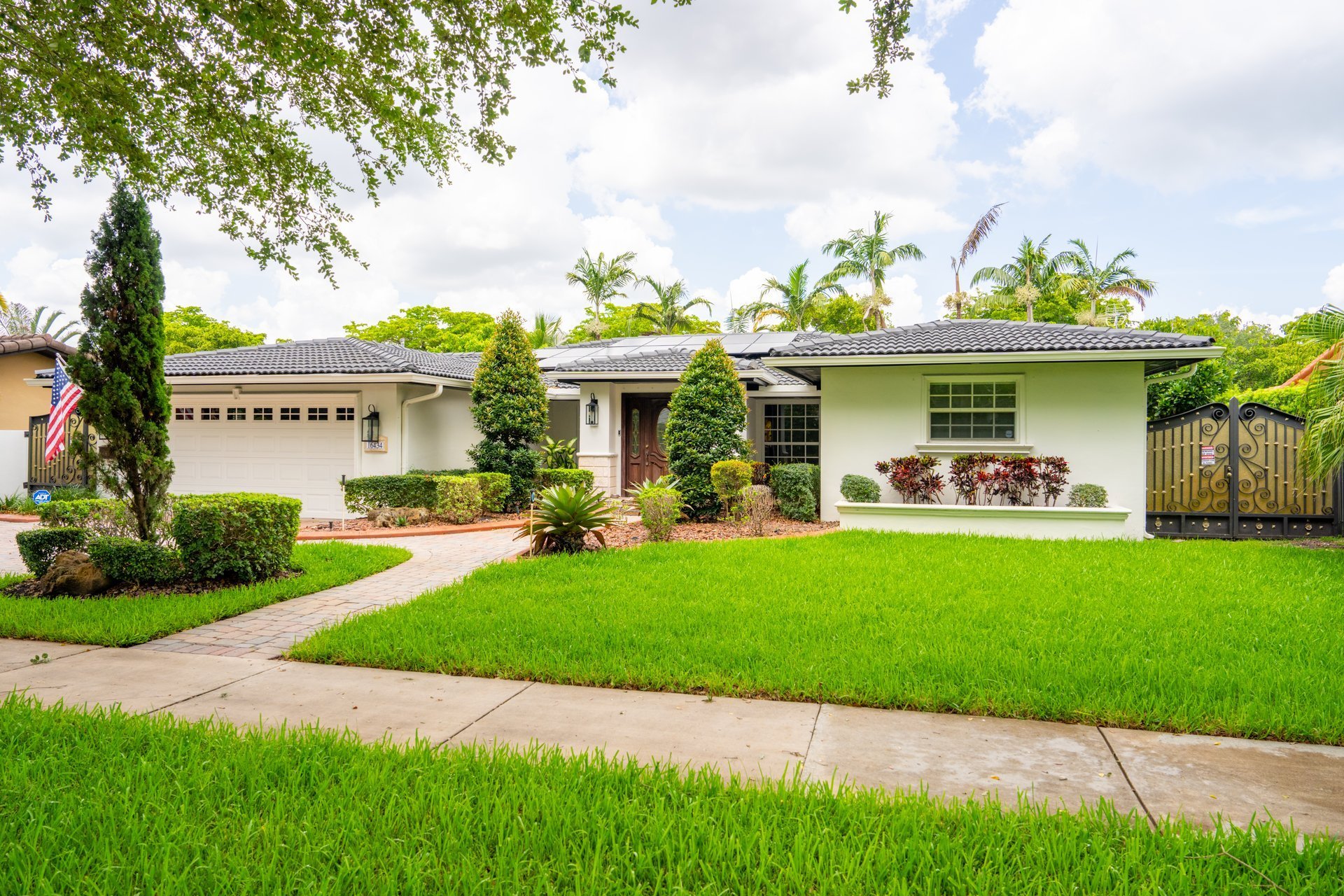
Premium rental property for DSCR cash-out refinance review
Cash-Out Refinance

DSCR Cash-Out Refinance for Rental Property Investors

Access equity from your rental property using DSCR cash-out refinance — where rental income and property cash flow drive the review, not personal tax returns. Review your cash-out scenario with Matt Dean at NEXA Mortgage.

NEXA Mortgage · Matt Dean · NMLS #227603 · Company NMLS #1660690

What is a DSCR cash-out refinance?

A DSCR cash-out refinance lets rental property investors replace an existing mortgage with a larger loan and receive the difference as cash — all while the lender reviews rental income instead of personal income. The new loan must be supported by the property's rent and cash flow. Investors use DSCR cash-out refinance to fund additional purchases, renovations, or portfolio growth without needing tax returns or W-2 verification.

Who uses DSCR cash-out refinance

Portfolio builders

Pull equity from an appreciated rental to fund the next investment property purchase.

BRRRR strategy investors

Recycle capital from a stabilized rental into the next deal — the cornerstone of BRRRR.

Renovation funding

Use equity to fund property improvements that increase rent and long-term value.

Entity-held properties

Cash-out refinance on LLC-owned rentals is available through many DSCR programs.

How cash-out affects DSCR

Taking cash out increases the loan amount, which increases the monthly payment — and that pushes DSCR lower. A property that cash-flows well with its current loan balance may not support the same ratio after pulling equity. The key question: Does the rent still cover the new, larger payment? Use the DSCR calculator to test different cash-out amounts against your rent and see where the ratio lands.

Cash-Out DSCR Example

Property Value

$400,000

Current Balance

$220,000

New Loan (75% LTV)

$300,000

Cash Out

$80,000

Monthly Rent

$3,200

New PITIA

$2,385

DSCR

1.34x

At 1.34x DSCR with $80,000 cash out, this scenario shows strong rent coverage. A lower LTV (70%) or higher rent would improve the ratio further.

Also relevant: DSCR purchase loans · rate-and-term refinance · LLC loans · state guides

Matt's DSCR Review Notes — Cash-Out Refinance

DSCR drops with every dollar you pull. Cash-out means a bigger loan, which means a higher PITIA. I always test multiple LTV scenarios — sometimes taking $10,000 less keeps DSCR above the program minimum and saves the deal.

LTV caps on cash-out. Most DSCR cash-out programs cap at 70–75% LTV on single-family rentals. Condos and 2–4 units may have stricter limits. Know your max before you plan the cash-out amount.

Tax and insurance recalculations. When you refinance, the lender will use current tax and insurance estimates — not the numbers from your original loan. If taxes have increased since purchase, the new PITIA may be higher than expected.

Use of cash-out matters. Lenders may ask about how the cash-out proceeds will be used — especially for larger amounts. Have a clear answer: next down payment, property renovation, portfolio expansion.

— Matt Dean, Sr. Loan Officer, NEXA Mortgage · NMLS #227603

Cash-Out Refinance FAQ

How much cash can I pull from a rental property with DSCR?
Does DSCR cash-out require an appraisal?
What DSCR do I need for cash-out?
Can I use DSCR cash-out on an LLC-owned rental?

Review Your Cash-Out Scenario

Share your property value, current loan balance, rent, and cash-out goal. Matt reviews DSCR, LTV, and whether the numbers support taking equity out.

Loan options, eligibility, pricing, terms, and availability depend on borrower profile, property type, documentation, investor experience, program guidelines, and applicable licensing. This is not a commitment to lend. NEXA Mortgage · NMLS #1660690 · Matt Dean NMLS #227603 · Equal Housing Opportunity.