
2–4 Unit Investment Properties
2–4 Unit Investment Property Loans
Review loan options for duplex, triplex, and fourplex investment properties based on rental income, property use, and borrower scenario.
2–4 Unit Investment Properties
Review loan options for duplex, triplex, and fourplex investment properties based on rental income, property use, and borrower scenario.
What This Page Answers
How financing works for 2–4 unit rental properties — duplex, triplex, and fourplex — including how lenders treat multi-unit rental income, DSCR calculations, occupancy considerations, and reserve requirements.
Best Fit
Investors buying or refinancing duplex, triplex, or fourplex properties
Main Requirements
20–25% down, DSCR ≥ 1.0 across all units, 680+ credit, 6 mo. reserves
What Lenders Review
Rent roll per unit, appraisal, occupancy, property condition, entity
Next Step → Submit your multi-unit property numbers for a no-credit-pull review.
This page focuses on 2–4 unit residential rental properties. For 5–10 unit small multifamily scenarios, some DSCR lenders may review 5–8 units and select programs may consider up to 10 units. These scenarios usually require a separate small multifamily review.
Properties with 5 or more units are reviewed through different investor or small multifamily loan paths. Some DSCR lenders may review 5–8 units, and select programs may consider up to 10 units, depending on lender guidelines, rent roll, reserves, property condition, and borrower scenario.
FHA Kiddie Condo / parent co-borrower financing is not intended for 5–10 unit investor properties. For 5–10 unit rental properties, review investor or DSCR financing options.
Submit 5–10 Unit ScenarioThe Scenario
What Made It Work
* This is a representative planning example. Your numbers, lender review, and program eligibility will vary.
2–4 Unit Financing Overview
Financing a 2–4 unit investment property is different from financing a single-family rental. Lenders review the property as a small multi-unit asset: total rental income across all units, expense load, occupancy stability, and whether the combined cash flow supports the debt obligation with sufficient cushion.
DSCR loans are frequently used for 2–4 unit properties because the underwriting emphasis is on the property's income-producing potential rather than the borrower's personal income. However, multi-unit properties also introduce additional underwriting variables — vacancy risk, separate metering, higher maintenance costs, and lender-specific expense ratios.
The review process examines each unit's rent, property condition, occupancy status, and whether the combined income supports the loan with a DSCR that meets the lender's minimum.
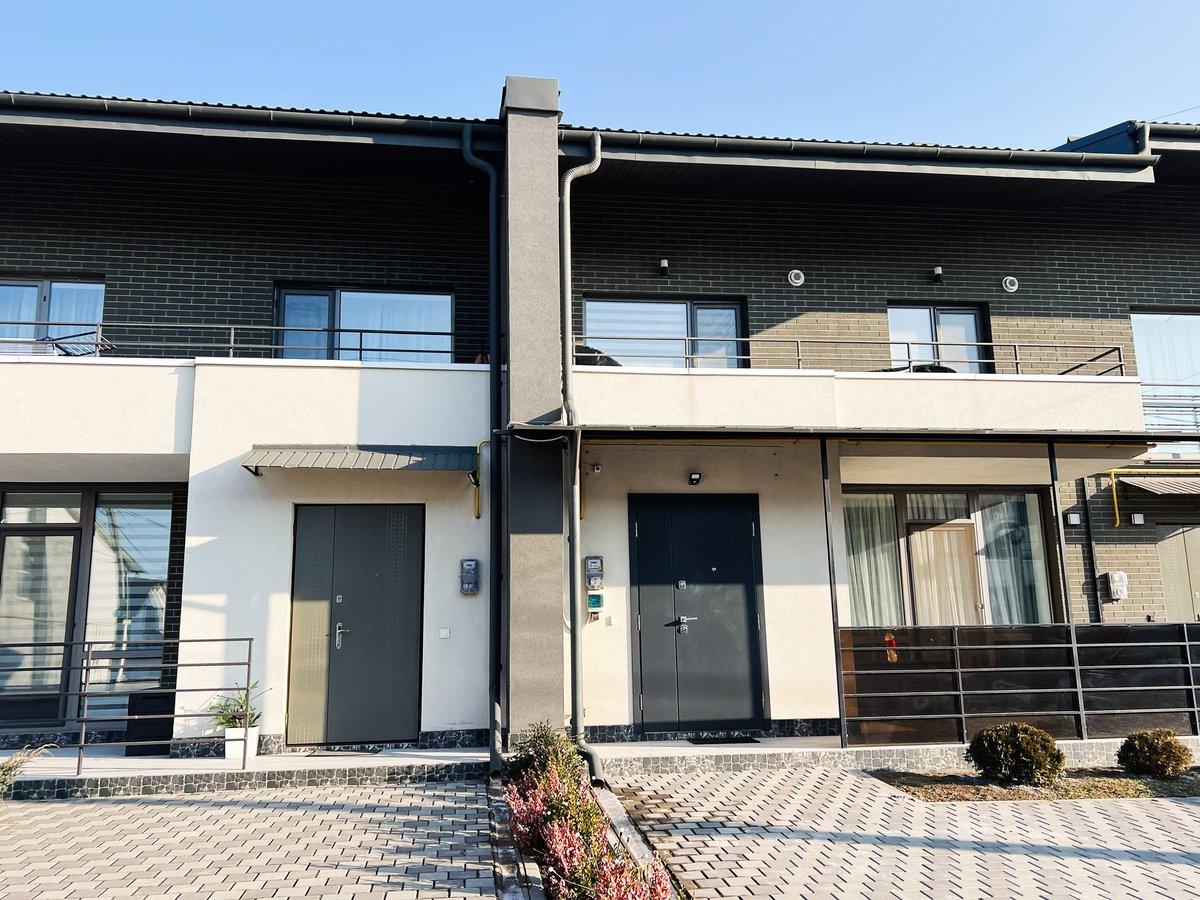
Multi-Unit Financing
Duplex · Triplex · Fourplex
Property-Specific Review
Lenders review combined rent from both units, expense allocation, and the resulting DSCR. If one unit is vacant at purchase, lenders may use market rent or apply a vacancy factor. Owner-occupied duplexes may have different loan program options than fully rented investment duplexes.
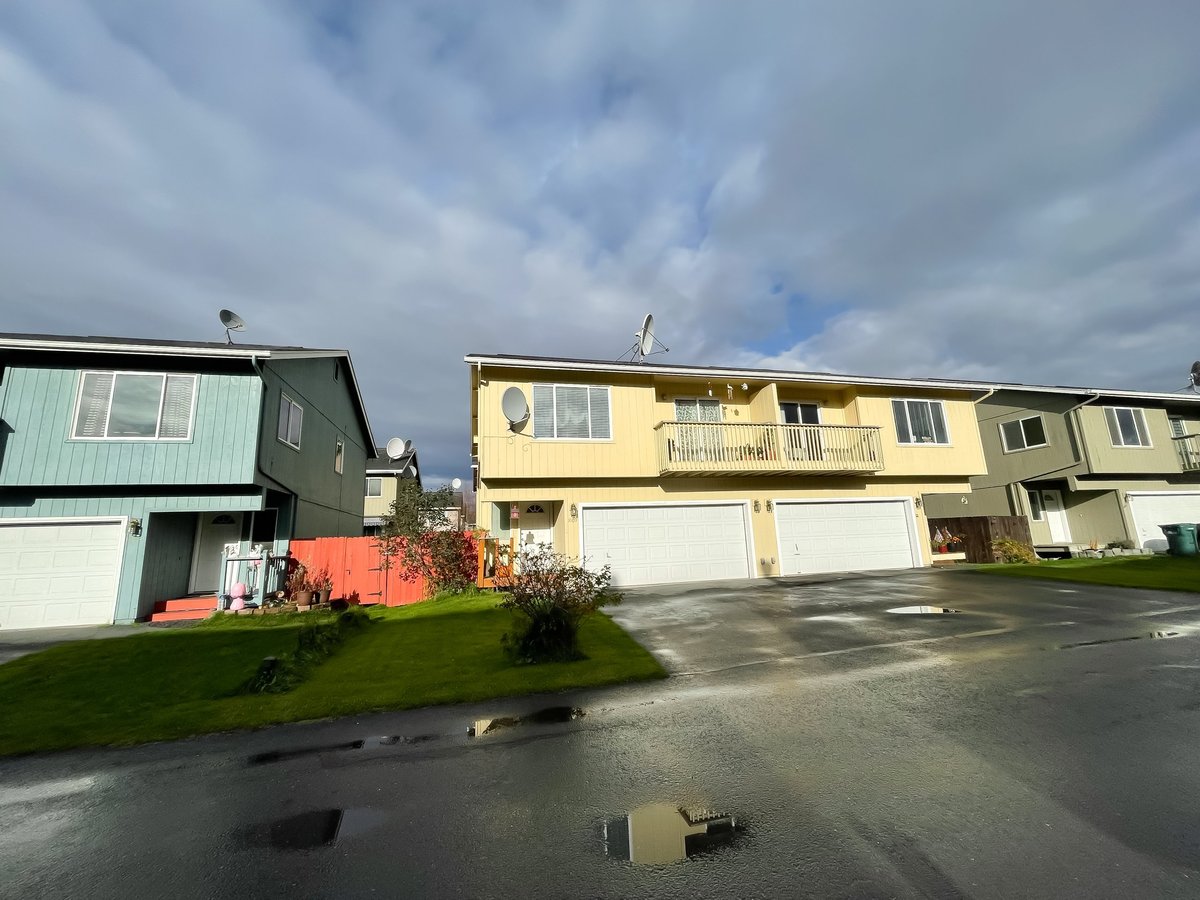
With three rental income streams, combined rent can produce a stronger DSCR than a single-family rental — but lenders also review the higher expense load and the risk that vacancy in any single unit reduces total qualifying income. Some DSCR lenders apply a higher expense factor to 3–4 unit properties.
The largest residential property type (1–4 units) eligible for residential DSCR and conventional financing. Properties with 5+ units require commercial financing. Fourplex loans typically require higher reserves, more conservative expense ratios, and stricter property condition review than duplex or triplex loans.
Rental Income & DSCR
The DSCR calculation for a 2–4 unit property uses the combined rental income from all units, minus operating expenses, divided by the total debt service. The key difference from single-family underwriting is that expenses are typically calculated as a percentage of the higher multi-unit gross income, and lenders often apply a higher expense factor to account for multi-tenant maintenance, turnover, and management costs.
Lenders will review the rent roll — the documented rent for each unit — along with lease terms, payment history, and whether utilities are separately metered. If utilities are shared, the lender may add a utility expense to the underwriting calculation, which can reduce the DSCR.
For purchases where the property is not fully leased, lenders may use an appraiser's market rent estimate for vacant units but may also apply a vacancy factor that reduces qualifying income. The more units that are vacant at purchase, the more conservative the underwriting tends to be.
Combined Rent Roll
Sum of documented rent from all units
Expense Ratio
Typically higher for multi-unit (35–45%) than single-family
Vacancy Factor
Lenders may apply 5–10% vacancy regardless of current occupancy
Utility Metering
Separate meters improve NOI; shared utilities add expense
Reserves
Often 6–12 months per unit for multi-unit properties
Condition & Occupancy
Multi-unit properties often have more deferred maintenance than single-family rentals. Lenders review the appraisal for condition ratings, required repairs, and any health and safety issues. Properties in below-average condition may have fewer financing options or require repair escrows at closing.
An inspection is separate from the appraisal but can help investors identify condition issues before they become underwriting problems. Significant deferred maintenance — roof, HVAC, electrical, plumbing — should be discussed during the scenario review.
Lenders review the current occupancy status of each unit. Fully occupied properties with documented leases and payment history present the strongest case. Properties with vacant units, month-to-month tenants, or units rented below market may face more conservative underwriting.
If the property is partially owner-occupied, lenders may treat the owner's unit differently in the DSCR calculation — some programs exclude owner-occupied units from qualifying income entirely, which can significantly change the DSCR result.
Preparation
Having these items ready before a 2–4 unit loan review helps the process move efficiently.
Documented rent for each unit with lease terms and payment history.
Subject property address with unit count and description of each unit.
Contract price for acquisitions or estimated market value for refinances.
Current annual property tax, hazard insurance, and any flood insurance if required.
Whether units are separately metered, who pays utilities, and any HOA dues.
A general understanding of credit standing and available post-closing reserves.
FAQ
Related Topics
How DSCR loans are reviewed around property cash flow and rental income.
Credit, reserves, property type, and other DSCR loan requirements.
Financing strategies for investors with multiple rental properties.
All rental property loan paths for purchase, refinance, and portfolio.
Loan paths for investors purchasing their first rental property.
Submit your 2–4 unit property scenario for review.
Submit the property, unit count, rent roll, loan goal, and timeline so the scenario can be reviewed before you move further into the process.
No credit pull to start. This is not a loan approval, loan quote, or commitment to lend.