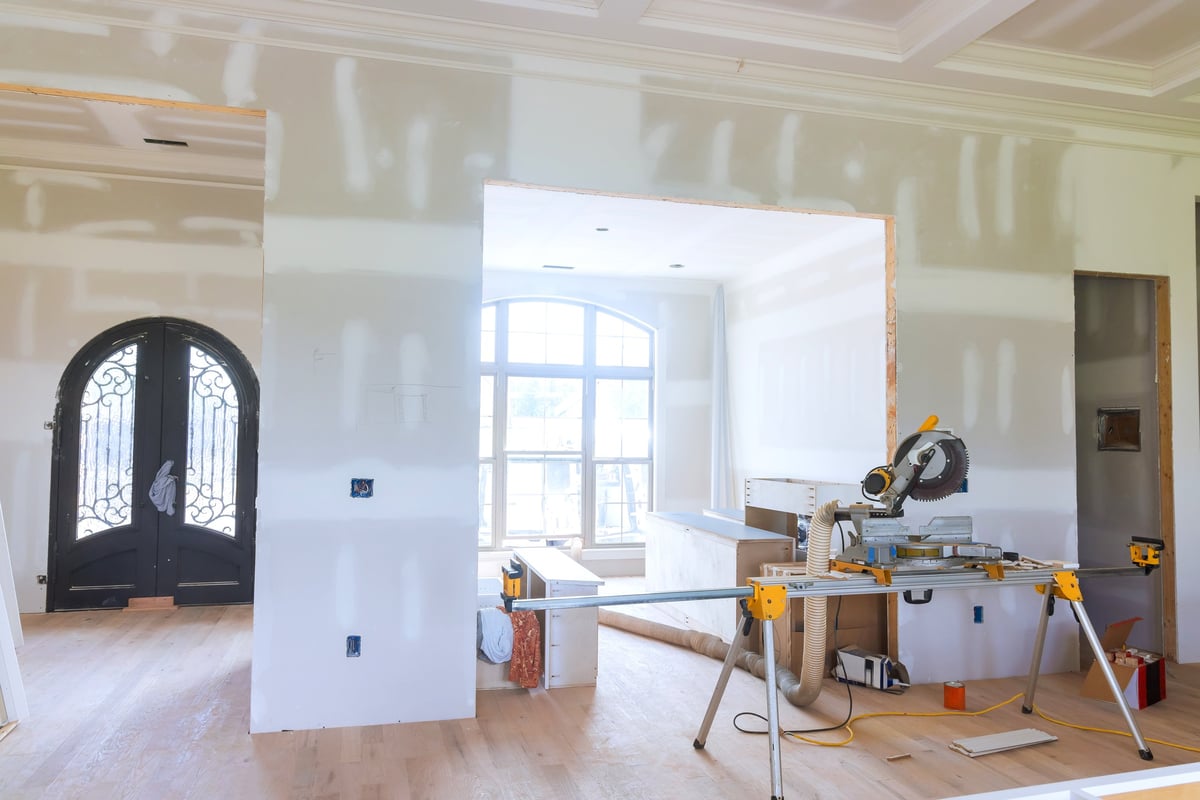
Financing for buying, rehabbing, and exiting a distressed or value-add property. Review your fix-and-flip — or your path to rent and refinance — with Matt Dean at NEXA Lending.
No credit pull to start · Revised scenario review · Not a commitment to lend
Fix & Flip Path
InvestorCommon exit
Fix → Rent → Refinance into a DSCR loan — a natural bridge to the BRRR strategy.
Educational planning only. Loan availability, structure, and terms vary by lender, borrower, and property — scenario review required.

A fix-and-flip loan is short-term, project-based investor financing for buying and rehabbing an undervalued or distressed property with the intent of selling — or, in many scenarios, renting it and refinancing into longer-term DSCR financing. Because the property's completed value (after-repair value or ARV) and the renovation budget drive the structure, a fix-and-flip scenario is reviewed differently from a standard DSCR rental calculation.
Best fit
Investors buying distressed or value-add homes to rehab and exit
Key inputs
Purchase price, rehab budget, ARV, exit strategy, timeline, cash required
Not a DSCR loan
Fix-and-flip financing is project-based; DSCR is for stabilized rentals — though one can lead to the other
Not every investor or every property qualifies. Matt reviews each fix-and-flip project to map available structures and realistic exit paths — start a scenario review.
A directional planning model for a rehab project. It is an educational estimate — not a loan offer, rate, leverage limit, or commitment to lend. Actual structure depends on a full scenario review.
Total Invested
$270,000
Est. Financing Needed
$200,000
Equity at ARV
$70,000
Project Margin (ARV − invested)
$70,000
% of ARV at ARV
20.6%
Plan to sell: your estimated equity at ARV is the upside a buyer-facing exit aims to capture — before sale costs, holding costs, and design/budget overruns.
Educational planning only. Not a loan approval, rate quote, leverage limit, or commitment to lend.
From distressed acquisition to completed exit — and the refinance path that turns a flip into a long-term rental.
Distressed or value-add property. Purchase price, condition, and acquisition structure set the project up.
Scope, budget, and timeline. The rehab moves the property toward its estimated after-repair value (ARV).
Sell to capture the margin — or stabilize as a rental and prepare for refinance.
Fix-and-flip financing is project-based. How you exit determines the loan structure — and whether DSCR financing becomes the next step.
Buy, rehab, and sell to capture the project margin. Financing is built around the acquisition, rehab budget, and completed ARV with an eye toward the sale.
This is a true fix-and-flip — the property is the project, not the long-term asset.
Rehab the property, establish rent, stabilize it, then refinance into longer-term DSCR financing — potentially recovering capital for the next deal.
Explore the BRRR strategy
Complete the rehab, stabilize the rental, then refinance into long-term DSCR financing — accessing equity as program requirements allow.
Whether you can access equity — and how soon — depends on lender programs, valuation, and ownership/seasoning history. See the no-seasoning cash-out guide.
Fix → Rent → Refinance → Repeat. Walk the full financing sequence and connect to DSCR.
Read the guideRehabbing investors who want to recover capital after a flip — without the traditional seasoning wait.
Read the guideIf you plan to rent and refinance, estimate the stabilized rental's DSCR before you commit.
Open the calculator
Sr. Loan Officer · NEXA Lending
NMLS #227603 · Company NMLS #1660690
Submit your purchase price, rehab budget, ARV, and exit strategy. Matt will review the project and tell you what financing path may be realistic — including whether a rent-and-refinance exit connects to DSCR.
Educational planning only. Fix-and-flip financing availability, structure, leverage, and terms depend on borrower profile, investor experience, property, program, and lender guidelines. Not a commitment to lend.